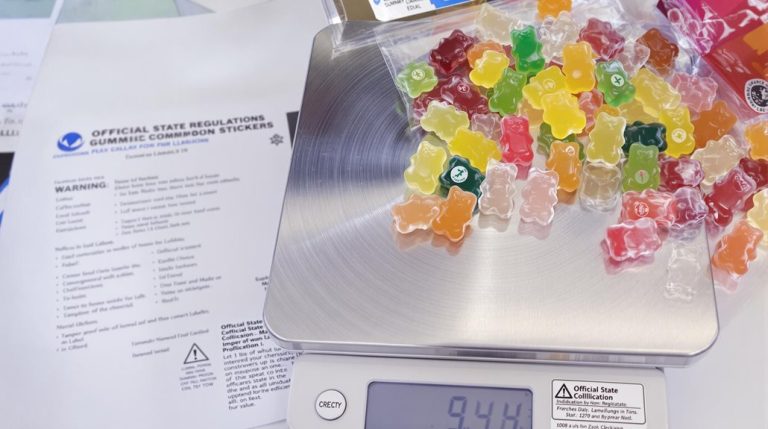

Traveling internationally with THC edibles is highly risky due to varied and often stringent regulations. THC laws differ greatly by country, with some countries like Canada and certain U.S. states allowing recreational or medicinal use, but strict penalties for possession exist in many other nations. Countries such as Japan and Singapore have zero-tolerance policies, while European nations like Germany and Italy permit limited medical use but ban recreational use. Crossing borders with THC edibles can lead to arrest, fines, and other legal consequences. It is vital to research the legal status of THC edibles in both destination and transit countries before traveling to avoid severe repercussions. For a detailed understanding of these complexities and how to navigate them safely, further exploration of country-specific regulations and safe travel practices is essential.
Expert Highlights
- THC laws vary significantly by country, requiring thorough research on destination and transit countries to ensure compliance.
- Crossing borders with THC edibles poses severe legal risks, including arrest, fines, and imprisonment in many countries.
- Countries like Japan and Singapore have zero-tolerance policies for THC, while some European nations allow limited medical use.
- It is essential to confirm airline and authority restrictions and avoid carrying THC edibles internationally due to strict regulations.
- Consider legal alternatives such as hemp-derived products to facilitate safer and compliant international travel experiences.
Global Legal Landscape
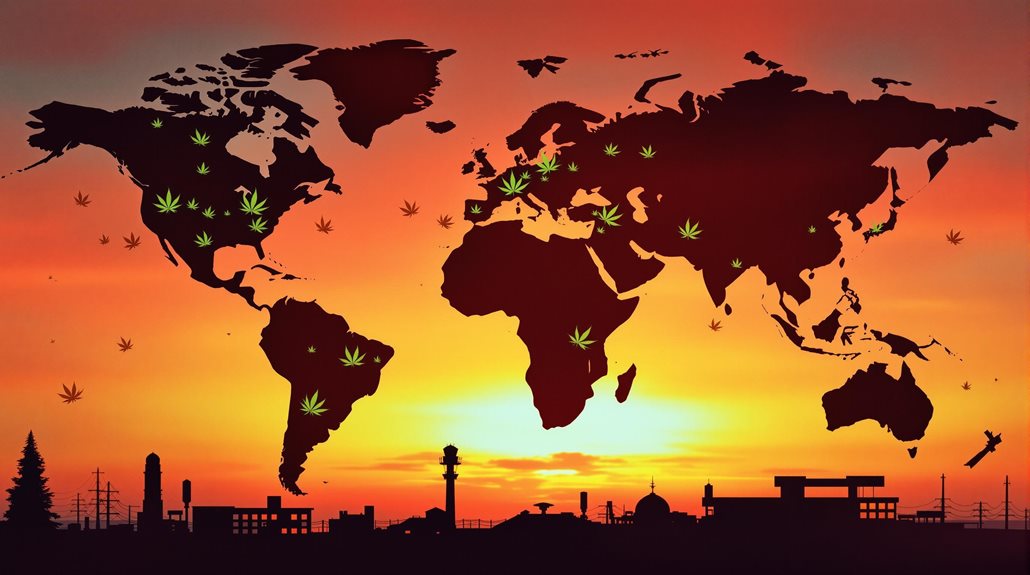
When considering international travel with THC edibles, it is vital to understand the complex and varied global legal landscape. Laws regarding cannabis and its derivatives differ markedly from one country to another.
In some countries like Canada and certain states in the United States, THC edibles are legal for recreational or medicinal use, but this does not extend to international travel. Many countries, including most of Europe, Asia, and South America, have strict penalties for possession of THC edibles, ranging from fines to imprisonment.
Understanding these legal disparities is important to avoid legal repercussions.
Travelers must research the specific laws of their destination country and any countries they may transit through to guarantee compliance. Ignorance of local laws can lead to severe consequences, making thorough research a necessity for safe and lawful travel.
Recent market data shows THC edibles sales represent 40% of the total THC product category, highlighting their widespread popularity and availability in legal markets.
Country-Specific Regulations
In traversing the complexities of international travel with THC edibles, it is vital to explore the country-specific regulations that govern the possession and use of these products.
Different countries have vastly varying laws regarding cannabis and its derivatives. For instance, in Canada, where cannabis is legal at the federal level, travelers must still adhere to strict regulations regarding cross-border transport.
In contrast, many European countries like Germany and Italy allow limited medical use but strictly prohibit recreational use.
In the United States, federal law prohibits THC edibles, but some states have legalized them. Traveling between these states can be complex due to differing state laws.
Countries like Japan and Singapore have zero-tolerance policies for any form of cannabis, making possession or transport highly risky.
Understanding these country-specific regulations is vital to avoid legal repercussions and guarantee safe travel. Always research the destination's laws before traveling with THC edibles.
For those seeking legal alternatives, many retailers offer hemp-derived products in various potencies and flavors that comply with local regulations.
Travel Risks and Consequences
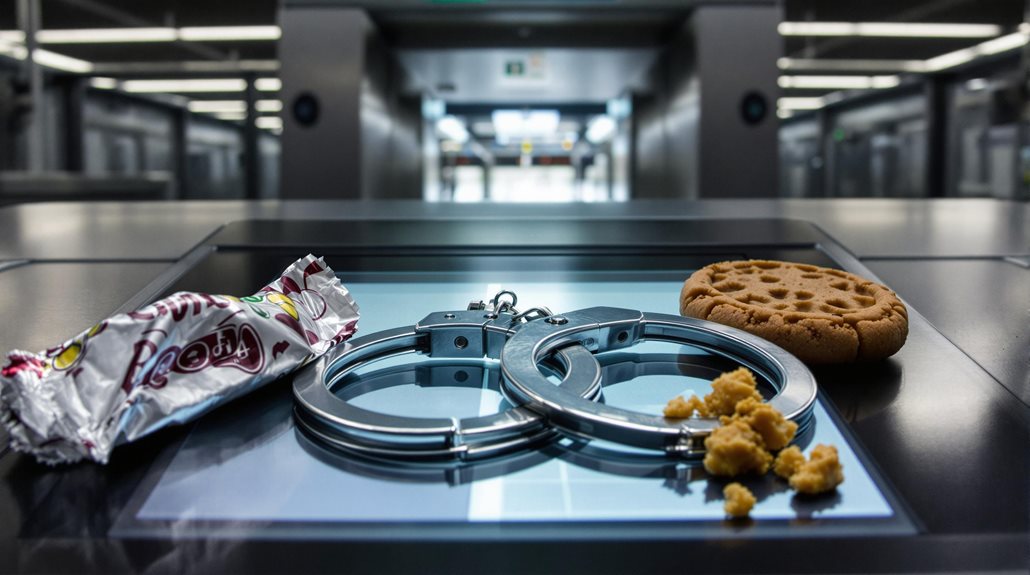
Traveling with THC edibles across international borders poses significant risks due to the stringent and varied legal landscapes.
Even if THC edibles are legal in your home country, many countries have strict laws against their possession and use. Crossing borders with these substances can lead to severe consequences, including arrest, fines, and even imprisonment.
The risks are heightened by the lack of uniformity in drug laws globally. For instance, some countries may have zero-tolerance policies for any amount of THC, while others may allow it for medical purposes but not for recreational use.
Additionally, the detection of THC edibles can be challenging for travelers due to their discreet nature, which could lead to accidental violations or intentional smuggling attempts.
Understanding these risks is essential for safe and lawful travel. Always research the specific laws of your destination country before traveling.
In Minnesota, products must adhere to THC concentration limits of 5mg per serving and 50mg total per package.
Safe Travel Practices
How can you guarantee a safe and lawful international travel experience when dealing with THC edibles? The first step is to thoroughly research the legal status of THC edibles in your destination country.
Many countries have strict laws prohibiting the possession, use, and transport of cannabis products, including edibles. Make sure you understand the specific regulations and penalties associated with these items.
Always check with your airline and relevant authorities for any travel restrictions or requirements. It is essential to avoid carrying THC edibles across international borders, as this can lead to serious legal consequences, including fines, imprisonment, or both.
If you must travel with prescription cannabis products, obtain all necessary documentation from your healthcare provider and follow the guidelines set by your destination country.
This includes carrying the prescribed amount and having valid medical documentation readily available.
For reference, products like MN LEGAL beverages containing 10MG of THC per serving are strictly regulated even within permitted regions.
Frequently Asked Questions
Can I Consume THC Edibles on a Flight?
Consuming THC edibles on a flight is not recommended due to legal and health risks. THC is illegal under federal law, and its consumption can lead to unpredictable effects, especially in a confined environment like an airplane.
How Do I Pack THC Edibles for International Travel?
Packing THC edibles for international travel is highly advised against due to stringent legal repercussions. However, if you must, make certain they are in their original packaging, clearly labeled, and comply with all relevant laws of both departure and destination countries.
Are There Any Age Restrictions for Carrying THC Edibles?
Age restrictions for carrying THC edibles vary by jurisdiction. In most places, individuals must be at least 18 or 21 years old to possess THC products, depending on local laws and regulations. Always check the specific laws of your destination.
Can I Bring THC Edibles Through Customs if They Are in a Sealed Package?
Carrying THC edibles, even in a sealed package, is generally prohibited across international borders due to varying legal statuses of cannabis. Customs regulations strictly enforce laws against transporting controlled substances, regardless of packaging.
What Happens if My THC Edibles Are Confiscated at the Border?
If your THC edibles are confiscated at the border, you may face legal penalties, fines, or even arrest, depending on the jurisdiction's laws. Confiscation also means you will not be allowed to bring the edibles into the country.
Expert Final Thougts
International travel with THC edibles poses significant legal and safety risks. The global legal landscape is complex, with varying country-specific regulations that can lead to severe consequences, including arrest, fines, and imprisonment. Travelers must be aware of the specific laws in their destination countries to avoid legal repercussions. Safe travel practices involve thorough research, adherence to local laws, and careful consideration of the potential risks associated with carrying THC edibles across international borders. Compliance is paramount to avoid adverse outcomes.